Apple's next significant iOS point release is reportedly just days from landing, and the feature set is finally coming into focus.
Officially designated iOS 26.4, the update is expected to roll out next week, according to 9to5Mac. In parallel, Apple has seeded the latest developer beta alongside a curated rundown of incoming capabilities. While much of the changelog skews incremental, three additions rise above the noise and are worth examining closely.
New emoji
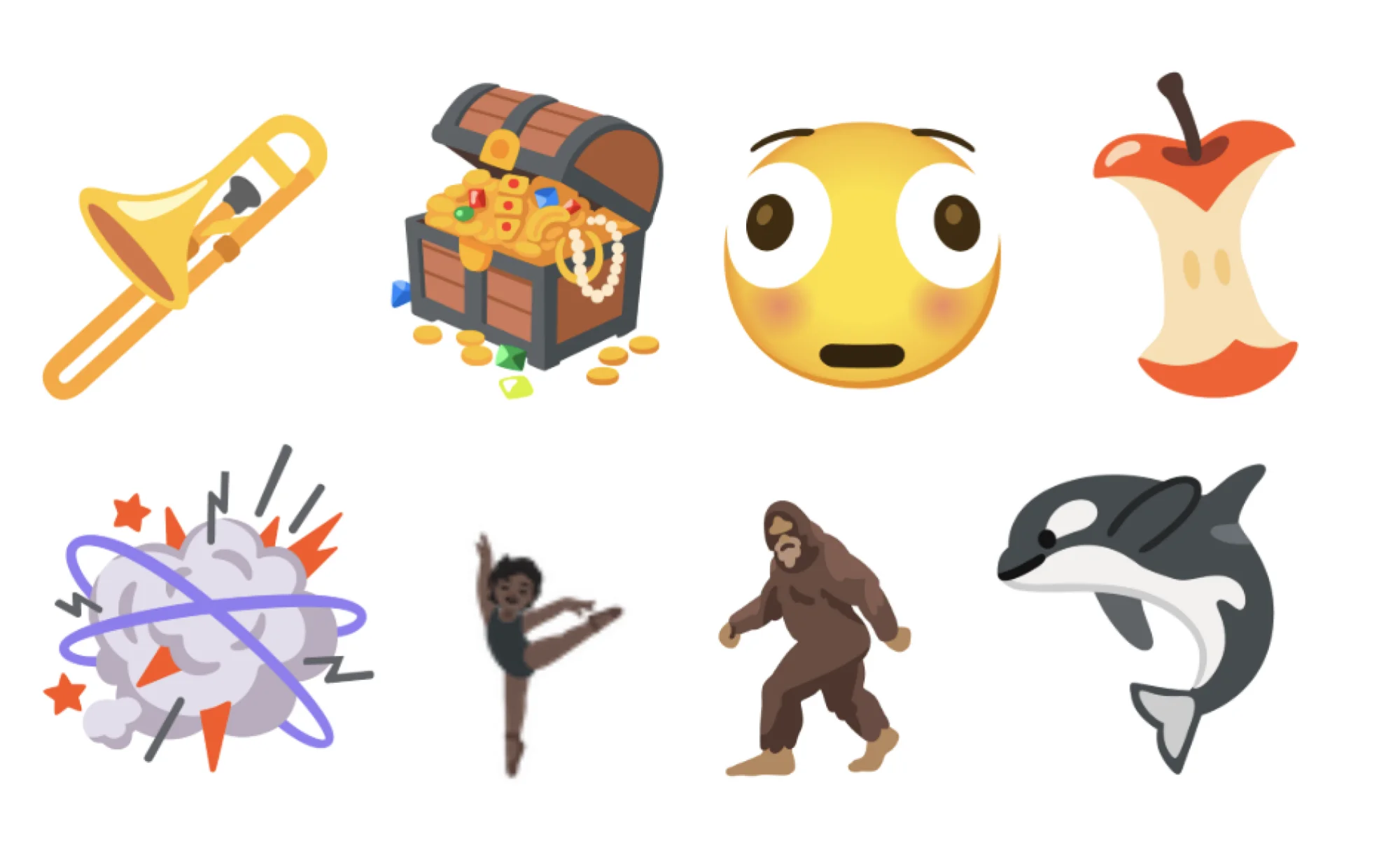
Without question, the headline addition in iOS 26.4 is an expanded emoji library. The incoming roster includes a trombone, a distorted face practically engineered for viral reaction threads, a ballet dancer, an orca, and a sasquatch. The sasquatch is a personal standout, but in fairness, the entire batch makes a strong case for itself — each character feels like a genuinely useful addition to the expressive vocabulary that has become central to modern mobile communication.
Apple Music enhancements
Apple Music receives a handful of thoughtful refinements in this release. The most contextually useful is a dedicated Concerts feature, which surfaces nearby live shows from artists already in your regular listening rotation — streamlining discovery that would otherwise require stepping outside the app entirely. It's a quality-of-life improvement that rewards habitual Apple Music users with tighter integration between their listening habits and real-world events.
Beyond that, the update introduces automatically generated playlists built from user-provided descriptions, along with full-screen dynamic backgrounds for album and playlist views. Taken together, these changes don't constitute a platform overhaul, but they represent a deliberate push toward a more personalized and visually immersive listening experience.
Another change to Liquid Glass
Rounding out the notable changes is a new accessibility-oriented setting for Liquid Glass: a "Reduce Motion" toggle designed to dial back the intensity of the interface's UI animations for users who experience discomfort with motion-heavy visual effects. It's a modest addition in scope, but a meaningful one in practice. Liquid Glass has drawn considerable debate since its introduction, and offering users a more measured, low-motion rendering of the interface should go some way toward broadening its appeal — or at minimum, easing friction for those who have found the default experience difficult to adjust to.