Amazon is preparing to re-enter the smartphone arena for the first time in more than a decade, signaling a bold — if cautious — bet on AI-driven mobile hardware.
According to a Reuters report citing four people with direct knowledge of the project, the device is being developed under the internal codename "Transformer." Amazon's vision for the handset centers on positioning it as a "mobile personalization device" — one deeply integrated with the company's voice-powered smart assistant, Alexa.
At its core, the Transformer is conceived as a frictionless gateway into Amazon's broader ecosystem. The report indicates the device would streamline access to the company's flagship services — from storefront shopping and Prime Video streaming to Prime Music playback — all orchestrated through an AI-first interface. Notably, while artificial intelligence sits at the center of the device's design philosophy, Alexa may not serve as the "primary operating system." That intriguing qualifier suggests Amazon could be exploring a hybrid approach, potentially leveraging a third-party AI platform to handle core device functionality while Alexa operates as a dedicated personalization and commerce layer on top.
The announcement will inevitably conjure memories of the Fire Phone — Amazon's ill-fated 2014 smartphone venture that was discontinued barely a year after launch.
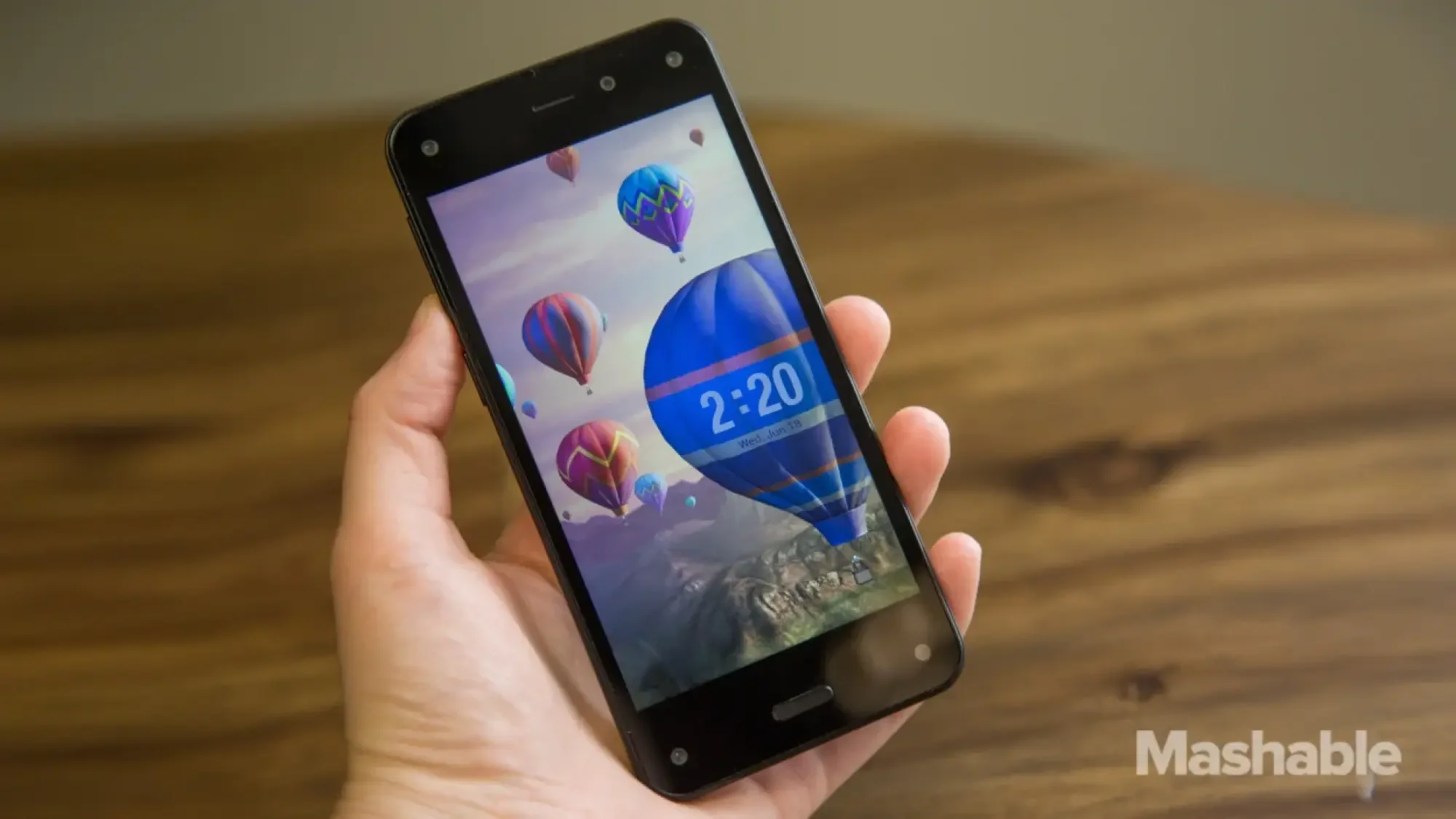
Yet the landscape today looks markedly different from the one that doomed Amazon's first foray into mobile. The Fire Phone's defining — and ultimately gimmicky — feature was a parallax-driven pseudo-3D user interface, a novelty that failed to resonate with consumers and offered little practical utility. Crucially, the generative and conversational AI capabilities that now make an Alexa-integrated device genuinely compelling simply didn't exist at the time. The rapid maturation of large language models and ambient computing has fundamentally shifted what a hardware-software-AI trifecta can realistically deliver to end users.
That said, the project remains firmly in its early stages. According to the report, Amazon has not ruled out canceling the initiative altogether, and key details — including a target launch window, retail pricing, and the company's commercial expectations for the device — remain entirely undefined at this point.