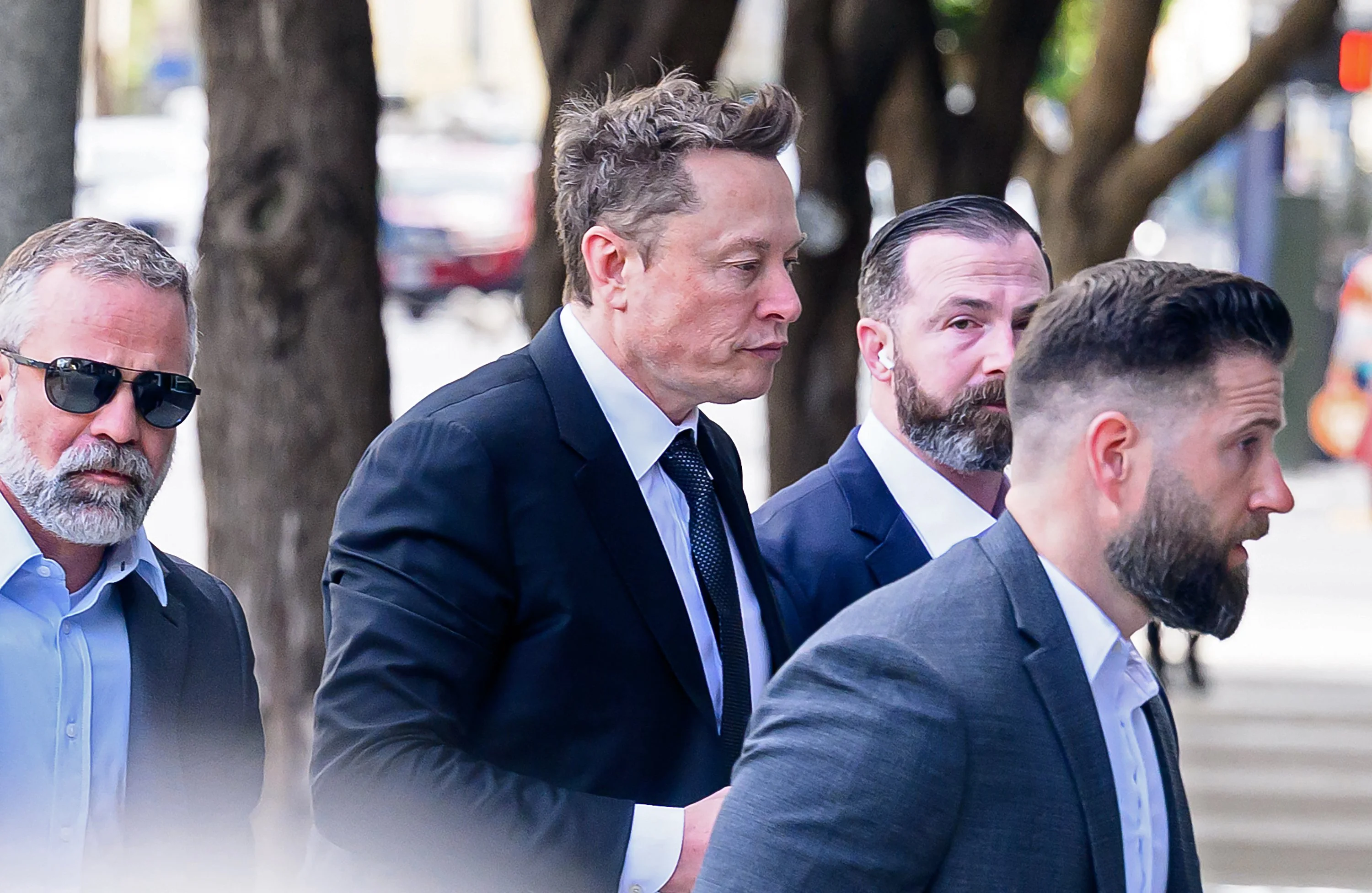
A San Francisco jury delivered a landmark verdict Friday, finding that Elon Musk defrauded Twitter investors during his turbulent $44 billion platform acquisition in 2022 — with potential damages that could surpass $2.6 billion.
According to Courthouse News Service, the litigation centers on a sequence of tweets and public statements Musk issued in May 2022, during which he openly questioned the deal's viability by asserting that spam bots and inauthentic accounts constituted a substantial share of Twitter's active user base. Investors contended that Musk was deliberately engineering a pretext — either to walk away from the agreement entirely or to renegotiate it at a significantly reduced valuation — causing the company's stock price to deteriorate in the interim. The lead plaintiffs formally filed suit against Musk in October 2022.
Following deliberation, the jury returned a unanimous finding that Musk's tweets dated May 13 and May 17 were materially false or misleading. The panel declined, however, to hold him liable for a separate May 16 conference statement in which he claimed that roughly 20 percent of Twitter's user accounts were spam. The jury similarly rejected the plaintiffs' broader allegations of a coordinated fraud scheme.
Musk's legal representatives have already telegraphed their intention to appeal, characterizing the verdict as little more than "a bump in the road."
Lead plaintiff attorney Mark Molumphy told Courthouse News that the outcome underscores a foundational principle — that considerable personal wealth does not confer immunity from legal accountability — a point that resonates with particular weight in the current climate surrounding tech industry figures.